

Choice Broking is a SEBI-regulated Indian broker, and the first thing to understand about MT5 here is simple: MetaTrader 5 is not the platform this broker actually offers. The Mumbai-based firm runs on its own stack instead, so anyone searching for "Choice Broking MT5" is really looking for either the app-based experience or a broker that genuinely supports MetaTrader.
That gap matters more than it sounds. MT5 is an execution and charting environment used worldwide, and traders often pick a broker based on that platform alone. With Choice Broking (Choice Equity Broking Pvt. Ltd., incorporated 2010 under Choice International Ltd.), you get a domestic, exchange-linked setup instead, built around its own mobile apps.
What MT5 Users Should Know
If you run everything from your phone, as I do, the platform question decides almost everything about your daily workflow. Choice Broking does not list MT5 among its platforms. Its trading stack is Jiffy for trading, Investica for mutual funds, and a web terminal.
MetaTrader 5 itself supports desktop, web, Android, and iOS clients, with automated strategies, market depth, and dozens of timeframes. Choice Broking's Jiffy app covers order placement, portfolio tracking, and trade notifications, but it is an Indian equity-first app, not a MetaTrader clone. Expect fewer charting tools, no MQL5 expert advisors, and no custom indicator library.
For an Indian trader, this is less of a loss than it looks. Retail forex and CFD trading with offshore MT5 brokers is off-limits under RBI and FEMA rules, so the legal channel runs through exchange-traded products anyway. On NSE, BSE, or MSE, INR currency derivatives trade 09:00-17:00 IST on weekdays.
What Choice Broking Does Offer
The broker leans on a full-service domestic model rather than a low-cost global one. Instruments include equity, F&O, currency, commodity, mutual funds, IPO, and advisory. That breadth is unusual for a single Indian firm, and it means one login covers several use cases.
Pricing is where the numbers get specific. Delivery trades are free, and direct mutual funds cost nothing. Intraday and F&O run at a flat Rs 20 per executed trade under the current plan, while an older legacy schedule quoted delivery at 0.20% and intraday at 0.02%. Account opening is free, and the AMC sits at Rs 200 per year with the first year waived. Debit transactions cost Rs 10 plus GST each.
| Feature | What you get | Practical note |
|---|---|---|
| Platforms | Jiffy, Investica, web | No MT5, no MQL5 support |
| Base currency | INR | No domestic FX conversion on exchanges |
| Funding rails | UPI, net banking | No stated minimum deposit |
| Instruments | Equity, F&O, currency, commodity, MF, IPO | Broad but exchange-linked |
| Minimum deposit | None stated | Free account opening |
| Islamic account | Not offered | Swap-free options sit elsewhere |
Deposits move through UPI, IMPS, NEFT, or RTGS. UPI in particular settles near-instantly, 24/7, though NPCI caps transactions at roughly Rs 1 lakh per transfer. Since exchange-traded trading settles in INR, you never convert currency just to fund the account.
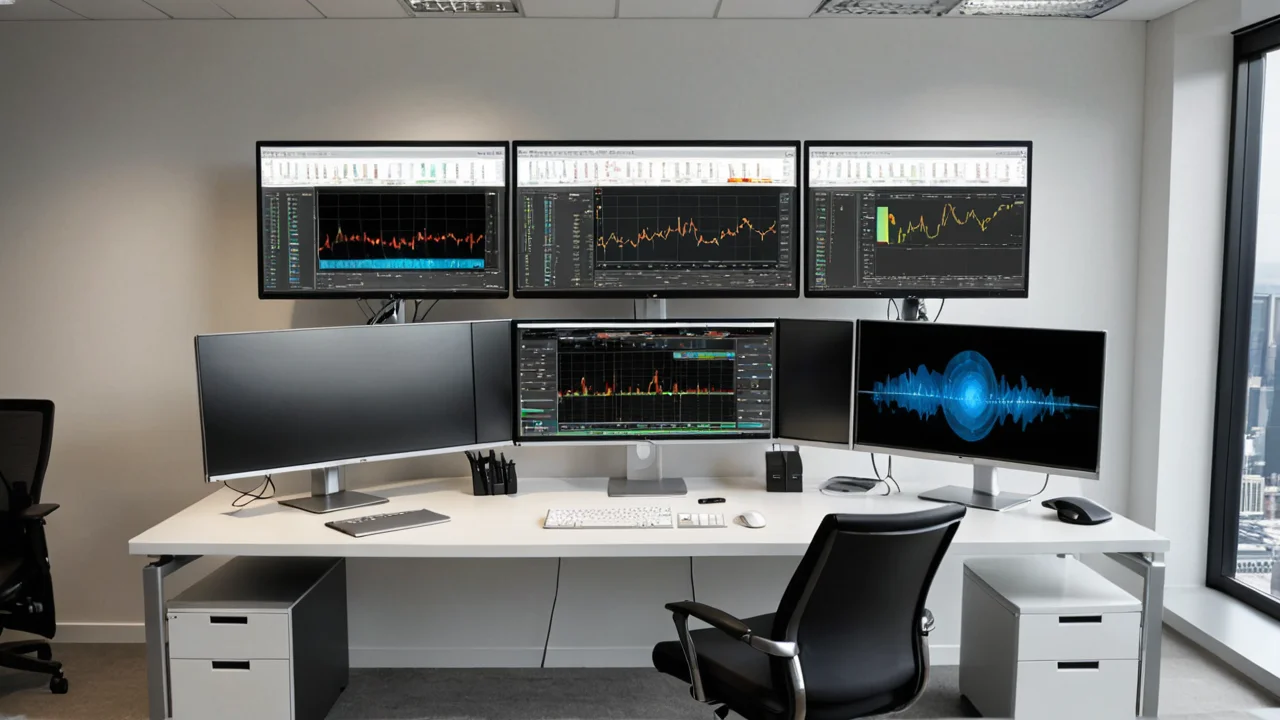
MT5 Versus the Jiffy App
An MT5 mobile setup gives you deep charting, automated strategies, and a global instrument list across dozens of brokers. The Jiffy app gives you a domestic account tied to SEBI-recognised exchanges, tighter regulation, and INR settlement, with fewer tools.
Neither is objectively better; they aim at different jobs. If your strategy is built on expert advisors or multi-timeframe technical analysis, the lack of MT5 is a real limitation and a more platform-flexible international broker may suit you. If your goal is straightforward Indian equity and derivatives trading from a phone, Jiffy removes friction that MT5 would not address.
Charting Limitations on Mobile
Charts are where mobile MT5 users feel the pinch most. Jiffy handles the essentials, but if you are used to the depth of a MetaTrader charting suite, expect to adjust. Indian equity apps generally offer fewer indicators and lighter drawing tools than global trading platforms.
The practical workaround many traders use is splitting tools: a dedicated charting app for analysis and the broker app for execution. It is clunky, but it works, and it keeps the regulated account intact. This is also why anyone serious about technical analysis tends to weigh platform capability heavily when choosing an international broker, checking for strong regulation, segregated client funds, transparent fees, and a long track record.

Costs and Real Constraints
The fee structure looks competitive on the surface, but look at the parts that rarely make the highlights. The Rs 10 plus GST per debit transaction is easy to overlook until you tally a month of small trades, and the yearly AMC (Rs 200, first year free) applies whether you trade actively or not.
Then there is the regulatory reality every Indian resident should understand once, calmly. Domestic trading runs under SEBI for exchange-traded currency derivatives and RBI under FEMA 1999 for foreign exchange. Offshore brokers advertising 100x to 1000x leverage on spot forex sit outside that framework, and remitting funds abroad for margin forex is not a permitted LRS purpose. The RBI publishes an Alert List of unauthorised forex platforms; as of its 19 November 2025 update, it named 95 entities, including Starnet FX, CapPlace, Mirrox, Fusion Markets, Trive, NXG Markets, and Nord FX, with the caveat that the list is not exhaustive.
| Check | Choice Broking (India) | Offshore MT5 broker |
|---|---|---|
| Regulator | SEBI, RBI/FEMA framework | Varies, often offshore |
| Currency pairs | INR-based on recognised exchanges | Spot forex, CFDs |
| Leverage | Margin-based, roughly 20-30x notional | Advertised up to 1000x |
| Status for residents | Fully legal channel | Outside permitted framework |
| Funding | UPI, net banking in INR | Often advertised as UPI, unauthorised |
This is not a reason to abandon trading; it is a reason to understand where your money sits. When choosing any international broker, weigh regulation quality, client fund segregation, fee transparency, and support responsiveness over headline leverage.
Tax and Reporting Basics
Profits on exchange-traded currency futures and options typically count as non-speculative business income, taxed at your slab rate. Intraday speculative positions are treated separately, with losses settable only against speculative income and carried forward four years, versus eight for non-speculative losses. The Income Tax Department and CBDT oversee this, and residents must declare worldwide income and foreign assets under Schedule FA.
If you do send money abroad for any permitted purpose, note the LRS cap of USD 250,000 per resident per financial year, with a 20% TCS on the portion above Rs 10 lakh, itself an advance-tax credit. Crypto is taxed separately at a flat 30% plus 4% cess.
Who This Route Suits
Choice Broking's model is built around Indian markets, and it is worth judging on those terms rather than against an MT5-first broker. The absence of MetaTrader is a genuine gap for algorithmic or chart-heavy traders, but the regulated, INR-settled setup is a strength for equity and derivatives users.
If MT5 is central to your process, look for an international broker with strong regulation, segregated client funds, and clear pricing, and confirm it serves Indian residents legally before depositing. If your trading is domestic and phone-first, the app-to-execution flow here is functional and the costs are transparent enough to evaluate without guesswork.

